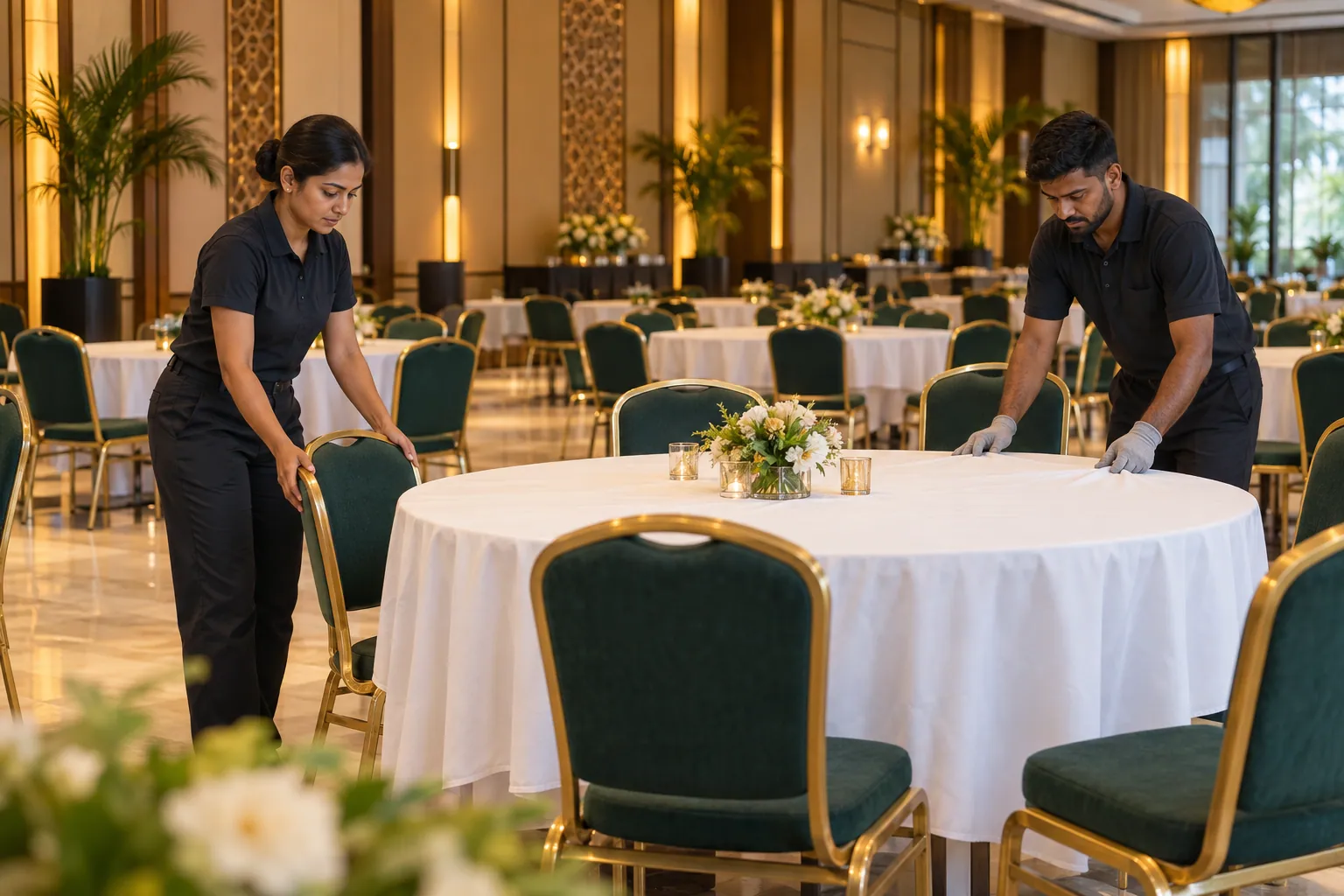
A role at a busy food brand teaches you skills that carry over well. You learn how to serve customers quickly and politely, how to keep food displays fresh and attractive, how to follow hygiene rules and how to work as part of a team during peak lunch and dinner hours. These skills are valued across hospitality, retail food, catering and food manufacturing in the UAE.
This guide covers the main store and restaurant roles you may find, the eligibility points employers commonly check, the food-safety expectations, the documents to prepare, the application steps and the warning signs of fake vacancies. As always, the employer confirms the final requirements, and this article is general guidance only.
Understanding Store and Restaurant Operations
The Sheikh Zayed Road flagship works on two levels. On the retail side, customers buy packaged snacks, gift boxes, namkeen, papads and a range of sweets to take home or send to family. On the service side, guests sit down for meals, order from the menu and collect takeaway items. Staff may move between these areas depending on the day’s needs, so flexibility is a valuable quality.
Because the store serves both shoppers and diners, the team must keep the counters stocked, the restaurant tables clean and the kitchen running to schedule at the same time. Good communication between the front of house and the back of house is essential, and managers often look for candidates who understand how one part of the business affects the other.
Typical Roles and Responsibilities
Job titles change with the season, the store layout and the number of staff required. The list below describes the typical responsibilities you may encounter, rather than a confirmed list of current vacancies.
- Sweet and snack counter associate: serves customers at the counter, weighs or packs products, explains ingredients and helps guests choose gifts and assortments.
- Cashier: handles billing for both retail and restaurant orders, processes payments and keeps the till balanced at the end of each shift.
- Restaurant server: takes orders, serves dishes and drinks, checks on tables and handles the bill with a friendly, unhurried approach.
- Packing and dispatch assistant: packs gift boxes and takeaway orders, checks labels and keeps the packing area clean and organised.
- Kitchen helper or commis: supports the cooks with preparation, washing, portioning and keeping stations stocked, under the direction of the head chef.
- Hygiene attendant: maintains cleanliness in dining areas, restrooms and service zones, and reports maintenance issues quickly.
- Shift supervisor: coordinates the team, manages breaks, checks standards and deals with customer complaints.
Many candidates start in a counter or server role and later move into the kitchen, training or supervision, depending on their interests and any culinary skills they develop on the job.
Eligibility and Skills Employers Commonly Consider
Requirements vary by role. Entry-level counter and server roles often accept a 10th or 12th pass certificate, while kitchen and supervisory positions may ask for prior food-service experience, a catering course or a diploma. Here are the points hiring teams commonly consider.
- Customer manner: a warm, patient attitude matters more than any formal title, especially for counter and restaurant roles.
- Language skills: basic English is useful in Dubai, and Hindi, Punjabi, Gujarati or Malayalam can help you connect with a wide range of guests.
- Food handling awareness: understanding why hands must be washed, why raw and cooked foods are kept apart, and why food should be stored at the correct temperature is important for every food-service role.
- Physical stamina: long shifts, standing for hours and carrying trays or stock boxes are normal in this environment.
- Reliability: punctuality and dependable attendance are very important during festival periods and weekend rushes.
- Legal status: working in the UAE requires a valid residence and work permit through a lawful employer. A visit visa does not allow paid employment.
Food Safety and Hygiene Expectations
Any business that prepares or serves food in Dubai must follow strict hygiene standards, and staff are expected to play their part. Many food-service employers ask new staff to hold a valid food-handler certificate or health card, which often involves a short course and a medical check. Ask the employer during the interview what certificate is required for your role and whether the company will arrange it.
Daily habits make a real difference. Wash your hands before starting work, after using the restroom, after handling raw items and after touching your face or phone. Wear clean uniforms, keep hair covered when required and avoid serving food while you are unwell. Keep chopping boards and utensils separated for raw and ready-to-eat items, and report any spillage or pest sign to a supervisor immediately.
Allergen awareness is also important. Sweets and snacks can contain nuts, dairy, gluten and other ingredients that some guests must avoid. Learn where to find ingredient information and always check with the kitchen before answering a guest’s allergy question.
Documents to Prepare
A complete set of documents helps you move quickly through the process. Keep scanned and printed copies of the following, and bring originals to the interview if asked.
- Passport copy with valid dates
- Emirates ID or residence visa copy, if you already live in the UAE
- Recent passport-size photographs
- Educational certificates and any food-safety or hygiene training certificate
- An updated CV that highlights customer service, cash handling and any kitchen or food experience
- Experience letters or reference contacts from previous employers
Keep copies of everything you send, and never share documents with a person who cannot be linked to the company through its official channels.
Pay and Working Conditions
This article does not quote salary figures, because no verified pay scale was used to prepare it. Pay for store and restaurant roles depends on the position, your experience, the shift pattern and any service-charge or tip policy. Ask the employer to confirm your basic pay, allowances, overtime rules, meal arrangements and any accommodation or transport support in writing before you accept.
The UAE labour rules set a normal daily limit of eight hours and a weekly limit of 48 hours, with separate rules for overtime and rest. Food-service roles often include split shifts, late evenings and weekend work. Ask how the roster is planned, how many weekly offs you will receive and how festival days are covered. Clarify probation, leave entitlement and the notice period before you sign.
How to Apply
A careful process protects you and gives you the best chance of a fair interview.
- Verify the outlet: check the brand’s official website before you send any information, and confirm the store or restaurant details match what you were told.
- Tailor your CV: put customer-service, cash-handling, food-service and hygiene experience at the top, and state your availability for weekends and evenings.
- Use official channels: apply through the official careers process or speak with the store manager at a confirmed outlet.
- Prepare for a practical check: some food-service interviews include a short role-play, such as taking an order, explaining a menu item or handling a complaint.
- Read the offer: check the job title, shift pattern, pay components, probation terms and training commitments.
- Arrange your certificate: if a food-handler card is required, ask whether the company will arrange it and what it will cost you, if anything, before paying anything.
Preparing for the Interview
Expect a mix of personality and practical questions. You may be asked how you would welcome a guest who seems unhappy with a long wait, how you would handle a billing error or what you would do if a dish is not available. Good answers show calm thinking, honesty and a willingness to involve a supervisor when needed.
Show your interest in the food itself. You do not need to be an expert, but knowing the basic difference between savoury snacks and sweets, and being able to describe a product in simple words, will impress the interviewer. Arrive well groomed, bring printed copies of your documents and be ready to explain why you want to work in a food brand.
A Typical Working Day
A typical day begins with a briefing, a check of stock levels and a clean-down of the service area. During service, you will greet guests, take orders or serve at the counter, and keep an eye on tables or display trays. Between peaks you may restock items, label takeaway packs or help the kitchen with preparation. Closing involves cleaning, checking the till, storing items correctly and handing over to the next shift with clear notes.
The busiest times are often lunch, evening and weekends. Teams that communicate clearly, share tasks evenly and keep their station tidy handle these peaks much better. Staff who learn the menu quickly and stay friendly under pressure tend to be trusted with more responsibility.
Career Progression
A food-service career can move in several directions. Counter and server staff may progress to shift supervisor, trainer or outlet coordinator. Kitchen helpers who build skills in preparation and food safety may move into commis or cook roles. Team members with strong stock and billing discipline may be considered for store operations, inventory or administrative positions. Keep a record of your training certificates and performance feedback, because these help with every future promotion or new application.
Common Mistakes to Avoid
- Applying without confirming the outlet and the official hiring channel
- Ignoring the food-safety certificate requirement until after you have been offered the job
- Accepting verbal promises about pay, service charges or accommodation without written confirmation
- Neglecting your residence and work permit position before you apply
- Sharing personal banking details, one-time codes or passport scans with an unknown sender
Recognising Recruitment Fraud
Fake food-brand vacancies are common, and scammers often use popular names to attract quick applications. A legitimate employer will not ask you to pay for an interview, a job offer, a uniform, a training slot or a visa. Be very cautious if a message promises a guaranteed position without any interview, or if it asks you to move the conversation to a private messaging app and make a payment there.
Protect your personal information. Never send an OTP, a banking password or card details to someone who contacts you about a job. Check the employer through its official website and make sure the outlet address matches a real location. If the messages use urgent language or pressure you to decide immediately, stop replying, save the messages and treat the offer as suspicious.
Frequently Asked Questions
Can freshers apply for counter and service roles?
Yes, counter, server and packing roles are often open to fresh graduates and 12th pass candidates who show good manners, reliability and an interest in food. Confirm the exact criteria with the employer for each opening.
Is a food handler certificate required?
Many food-service employers in Dubai expect staff to hold a valid food-handler certificate or health card. Ask the employer what is required and whether they will support you in obtaining it.
Are store and restaurant roles different?
Yes. Store roles focus more on billing, packing and product display, while restaurant roles focus on taking orders, serving guests and supporting the kitchen. Some staff work across both areas depending on the shift.
Should applicants pay for an interview or visa?
No. Never pay for an interview, a job or a visa. Report any request for payment connected to a job offer and do not continue the conversation.
What should I confirm before accepting an offer?
Confirm your job title, shift pattern, weekly offs, pay components, service-charge policy if any, probation length, leave entitlement and training commitments. Keep the written offer for your records.
Important Information
This article is general information for job seekers and is not legal, immigration, financial or employment advice. Store and restaurant vacancies, eligibility rules, certificate requirements and visa procedures can change without notice. Always confirm details with the employer and the relevant UAE authorities before you take any step.